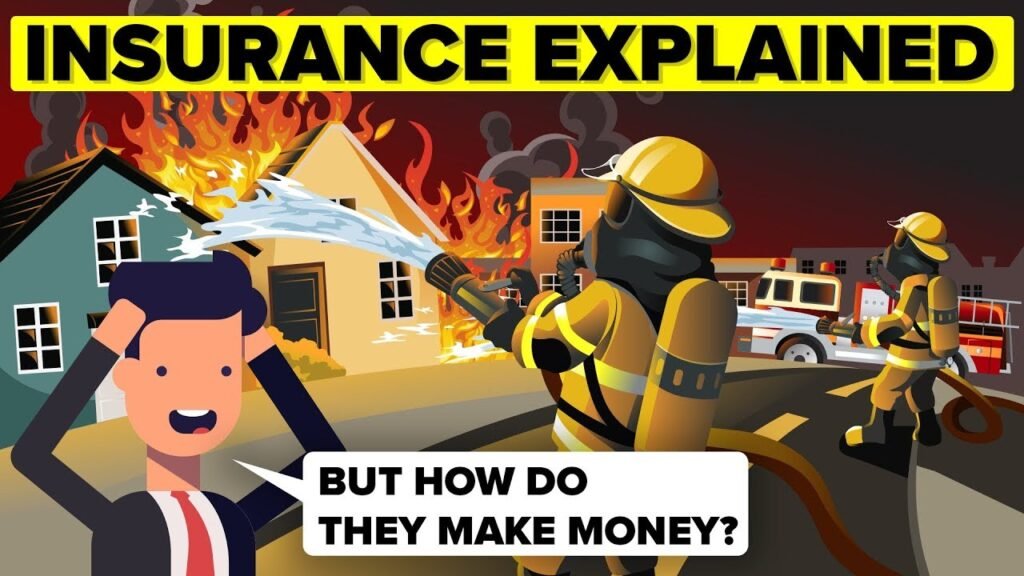
Insurance
Insurance is one of the most important financial tools available today, yet it is often misunderstood. Many people view it as just another monthly expense, something they pay for but hope never to use. In reality, insurance is a powerful safety net that protects individuals, families, and businesses from unexpected financial losses. It provides peace of mind, stability, and long-term security in an unpredictable world.
This article explores what insurance is, how it works, the different types available, why it is essential, and how to choose the right coverage for your needs.
What Is Insurance?
Insurance is a contract between an individual (or business) and an insurance company. In this contract, the individual pays a fixed amount of money called a premium. In exchange, the insurance company promises to provide financial compensation if certain losses or damages occur.
For example, if you have car insurance and get into an accident, your insurer may cover repair costs. If you have health insurance, it can help pay medical bills when you fall ill. The basic principle behind insurance is simple: many people contribute small amounts of money into a shared pool, and those funds are used to help the few who experience losses.
This system spreads risk across a large group of people, making financial burdens manageable for everyone involved.
How Insurance Works
To understand insurance better, it helps to break it down into key components:
1. Premium
The premium is the amount you pay regularly—monthly, quarterly, or annually—to keep your policy active.
2. Policy
A policy is the official document that outlines what is covered, what is not covered, and under what conditions the insurer will pay.
3. Deductible
A deductible is the amount you must pay out of pocket before the insurance company begins to cover costs.
4. Claim
A claim is a formal request you make to your insurance company for payment after a covered loss.
For example, imagine your home suffers damage during a storm. If you have homeowners insurance, you would file a claim. After reviewing the situation, the insurer would pay for repairs according to your policy terms, minus any deductible.
Why Insurance Is Important
Life is unpredictable. Accidents, illnesses, natural disasters, and unexpected events can happen at any time. Without insurance, these events could result in severe financial hardship.
Here are some key reasons why insurance is essential:
Financial Protection
Medical emergencies, car accidents, or property damage can be expensive. Insurance helps cover these costs so that savings and assets are not wiped out.
Peace of Mind
Knowing that you are protected reduces stress and anxiety. You can focus on living your life instead of worrying about “what if” scenarios.
Legal Compliance
In many countries, certain types of insurance—like car insurance—are legally required.
Business Stability
For businesses, insurance ensures continuity even after losses due to theft, fire, or lawsuits.
Family Security
Life insurance provides financial support to dependents if the primary earner passes away unexpectedly.
Types of Insurance
There are many types of insurance designed to cover different aspects of life. Below are the most common and essential ones.
Health Insurance
Health insurance covers medical expenses such as doctor visits, hospital stays, surgeries, and prescription medications. Healthcare costs can be extremely high, and without insurance, even a minor surgery could create financial strain.
Health insurance policies vary widely. Some plans cover a broad range of services, while others may limit coverage to specific treatments or hospitals. Choosing the right health plan requires understanding your medical needs, family history, and budget.
Life Insurance
Life insurance provides financial support to beneficiaries after the policyholder’s death. It is especially important for individuals who have dependents such as children, spouses, or aging parents.
There are two main types:
- Term Life Insurance – Provides coverage for a specific period (e.g., 10, 20, or 30 years).
- Whole Life Insurance – Offers lifelong coverage and may include a savings or investment component.
Life insurance ensures that loved ones can cover expenses such as daily living costs, education, debts, and funeral arrangements.
Auto Insurance
Auto insurance protects against financial loss in case of accidents, theft, or vehicle damage. Most countries require drivers to carry at least basic liability coverage.
Auto insurance policies may include:
- Liability coverage
- Collision coverage
- Comprehensive coverage
- Personal injury protection
The cost of auto insurance depends on factors such as driving history, age, vehicle type, and location.
Homeowners Insurance
Homeowners insurance protects your home and personal belongings against risks like fire, theft, storms, and vandalism. It may also provide liability protection if someone is injured on your property.
For renters, renters insurance offers similar protection for personal belongings, even if they do not own the property.
Travel Insurance
Travel insurance covers unexpected events during trips, such as trip cancellations, lost luggage, or medical emergencies abroad. For frequent travelers, it offers valuable protection and peace of mind.
Business Insurance
Businesses face unique risks, including lawsuits, property damage, and employee-related issues. Business insurance policies may include:
- General liability insurance
- Professional liability insurance
- Property insurance
- Workers’ compensation insurance
Having proper coverage helps businesses recover quickly and maintain operations.
Factors That Affect Insurance Premiums
Insurance premiums are not random. Companies calculate them based on risk assessment. The higher the perceived risk, the higher the premium.
Some common factors include:
- Age
- Health status
- Occupation
- Lifestyle habits
- Driving record
- Location
- Claims history
For example, a young driver with multiple traffic violations will typically pay more for car insurance than an experienced driver with a clean record.
How to Choose the Right Insurance Policy
Selecting insurance requires careful thought and research. Here are practical steps to guide you:
Assess Your Needs
Identify what you want to protect—your health, income, property, or family.
Compare Policies
Review different insurers and compare coverage, exclusions, premiums, and customer reviews.
Understand the Fine Print
Always read policy documents carefully. Pay attention to coverage limits and exclusions.
Consider Affordability
Choose a premium you can consistently afford without financial strain.
Check the Insurer’s Reputation
Select companies known for fair claim settlements and strong customer service.
Common Mistakes to Avoid
Many people make avoidable errors when purchasing insurance. Here are a few to watch out for:
- Choosing the cheapest policy without reviewing coverage
- Ignoring policy exclusions
- Underinsuring assets to save money
- Failing to update policies after life changes
- Not reviewing policies annually
Insurance should evolve with your life circumstances—marriage, childbirth, home purchase, or career changes may require policy updates.
The Role of Insurance in Financial Planning
Insurance is not just protection—it is a core part of financial planning. A strong financial plan includes savings, investments, and risk management. Insurance plays the role of risk management.
Without insurance, a single unexpected event could undo years of financial progress. For example, medical debt or property damage can drain savings quickly. With insurance in place, individuals can focus on wealth-building activities without fear of sudden financial collapse.
Technology and the Future of Insurance
The insurance industry is evolving rapidly due to technological advancements. Online platforms now allow customers to compare policies, file claims digitally, and receive instant quotes.
Artificial intelligence, data analytics, and automation are improving risk assessment and claim processing. Telematics devices in vehicles, wearable health trackers, and smart home devices are also influencing how insurers calculate premiums.
These innovations are making insurance more accessible, efficient, and personalized.
Building Trust with Your Insurer
Insurance works best when there is transparency and honesty between the policyholder and the insurer. Providing accurate information during the application process ensures smooth claim approvals later.
If circumstances change—such as moving to a new address or modifying a property—it is important to inform your insurer promptly.
Trust and communication play a key role in maintaining a positive insurance experience.
Final Thoughts
Insurance is more than a financial product—it is a foundation of stability in an uncertain world. Whether it is health coverage that protects you during illness, life insurance that secures your family’s future, or property insurance that shields your assets, insurance provides essential support when it is needed most.
While paying premiums may sometimes feel like an added expense, the value of insurance becomes clear during emergencies. It transforms potentially devastating losses into manageable challenges.
The key to benefiting fully from insurance lies in understanding your needs, choosing appropriate coverage, and maintaining your policies responsibly. With the right approach, insurance becomes not just a contract, but a powerful tool for security, confidence, and long-term financial well-being.
In today’s fast-changing world, protection is not a luxury—it is a necessity. Investing time in selecting the right insurance coverage is one of the smartest decisions anyone can make for themselves and their loved ones.